

Idioms for easy include a piece of cake, plain sailing, and second nature. Each suits a different kind of easy....
Continue Reading →62 Idioms about Regret in English (With Meanings & Examples)
⚡️ Key Takeaways
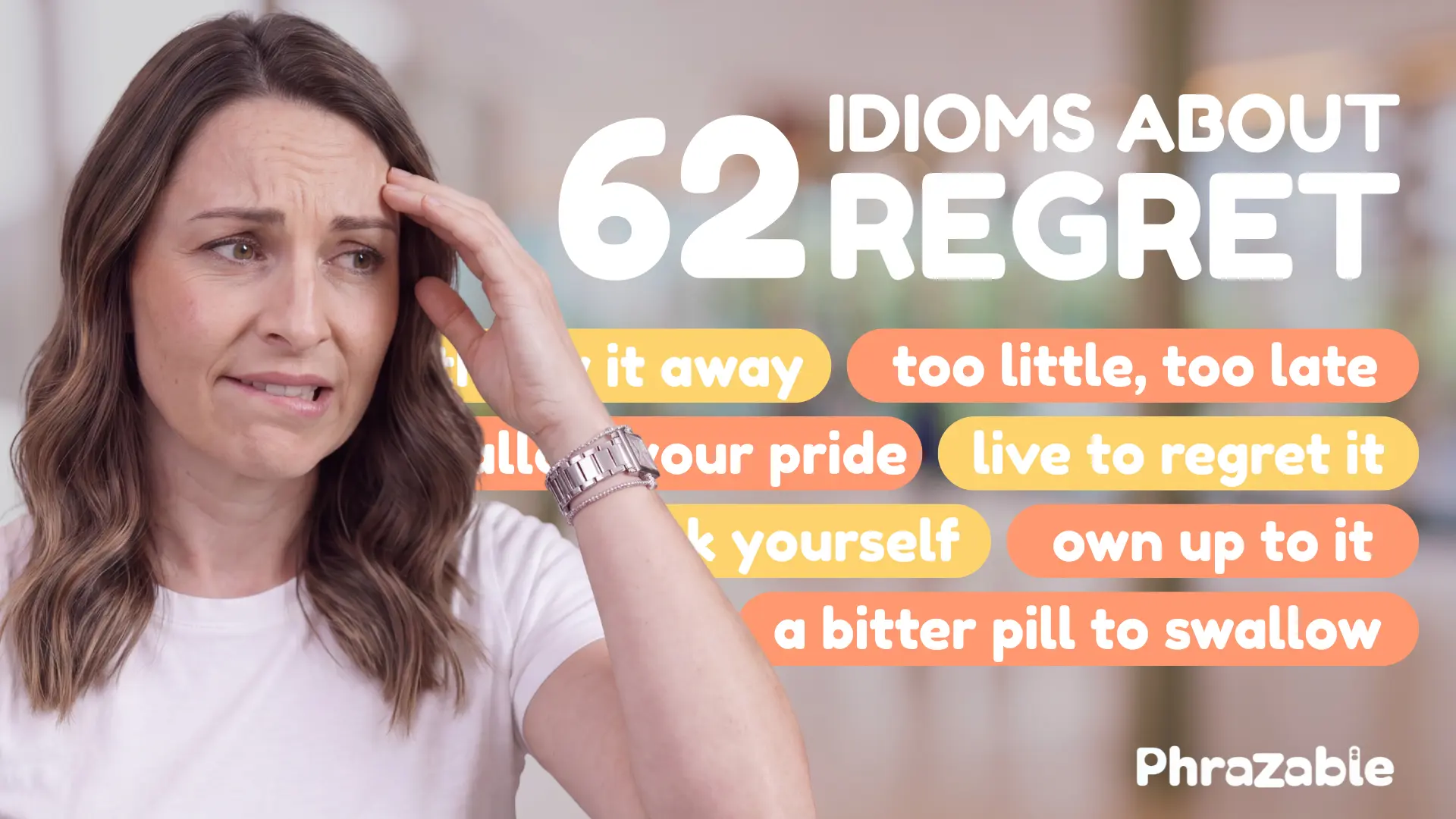
The most common idioms for regret are kick yourself, miss the boat, live to regret it, hindsight is 20/20 and no use crying over spilt milk.
English splits regret in two: what you did (shoot yourself in the foot, burn your bridges) and what you did not do (miss the boat, the one that got away).
Burn your bridges is about the future, not the past. It means you have destroyed the way back.
Cry over spilt milk is almost always used as advice to stop, not as a description of feeling.
There are two kinds of regret, and English keeps them in separate drawers.
The first is regret for something you did. You shot yourself in the foot. You burned your bridges. You dug your own grave, and now the chickens have come home to roost. These idioms are sharp, physical and slightly self-punishing, and they all point at an action.
The second is regret for something you did not do. You missed the boat. You let it slip through your fingers. She was the one that got away, and now you are left with what might have been. These are softer, sadder and quieter, and they all point at a space where something should have been.
Psychologists who study regret keep finding the same thing: the regrets that stay with people for decades are usually the second kind. The job not applied for. The thing not said. English seems to have worked this out long before the researchers did, because it gave that second kind its own gentle, haunting vocabulary.
So here are 62 real idioms about regret, with a short meaning, a longer explanation, three examples and three alternatives for each.
What Is an Idiom for Regret?
An idiom is a group of words whose meaning you cannot work out from the words themselves. “Kick yourself” has nothing to do with kicking. It means being annoyed at your own mistake.
Notice that even this small phrase is doing something interesting. You are the one who kicks, and you are also the one who is kicked. That is exactly what regret feels like, and English builds most of these idioms the same way: you did it to yourself. You shoot yourself in the foot. You dig your own grave. You make your bed and then you lie in it.
The rest come from three places: transport that has left without you (miss the boat, the horse has bolted), hindsight (20/20, wisdom after the event), and damage you cannot undo (spilt milk, burnt bridges).
62 Idioms About Regret (With Meanings and Examples)
Here is the full list at a glance. The detail follows underneath.
| Idiom | In short | |
|---|---|---|
| 1 | Kick yourself | Be angry with yourself for a mistake. |
| 2 | Rue the day | Deeply regret a decision. |
| 3 | Live to regret it | Regret something for a long time afterwards. |
| 4 | Wish you could turn back the clock | Wish you could undo the past. |
| 5 | If only | The wish that things had been different. |
| 6 | What might have been | The better life or outcome that did not happen. |
| 7 | The one that got away | The person or opportunity you lost and never replaced. |
| 8 | Have regrets | Carry things you wish you had done differently. |
| 9 | No regrets | Complete acceptance of the choices you made. |
| 10 | A bitter pill to swallow | Something unpleasant you have to accept. |
| 11 | Be haunted by something | Be unable to escape the memory of something. |
| 12 | Wish the ground would swallow you up | Feel so embarrassed you want to disappear. |
| 13 | Miss the boat | Miss an opportunity by acting too late. |
| 14 | Miss your chance | Fail to take an opportunity when it was there. |
| 15 | Let something slip through your fingers | Lose something valuable through carelessness or hesitation. |
| 16 | Blow it | Ruin an opportunity through your own mistake. |
| 17 | Throw it away | Waste something valuable that you had. |
| 18 | A missed opportunity | A chance that was there and was not taken. |
| 19 | Too little, too late | An effort that came after it could have made a difference. |
| 20 | Close the stable door after the horse has bolted | Take precautions after the damage is already done. |
| 21 | You don't know what you've got till it's gone | You only value something once you have lost it. |
| 22 | Hindsight is 20/20 | Everything is obvious once you know how it ended. |
| 23 | Hindsight is a wonderful thing | It is easy to be wise after the event. |
| 24 | With the benefit of hindsight | Looking back with knowledge you did not have then. |
| 25 | If I knew then what I know now | I would have chosen differently, with today's knowledge. |
| 26 | Wisdom after the event | Knowing what should have been done, only once it is too late. |
| 27 | A Monday morning quarterback | Someone who criticises decisions after the outcome is known. |
| 28 | Coulda, woulda, shoulda | Pointless speculation about what you should have done. |
| 29 | Should have known better | Regret combined with self-blame, because you had the information. |
| 30 | Shoot yourself in the foot | Damage your own position through your own actions. |
| 31 | Dig your own grave | Cause your own downfall, step by step. |
| 32 | Cut off your nose to spite your face | Hurt yourself while trying to hurt someone else. |
| 33 | Burn your bridges | Destroy your relationships so you cannot go back. |
| 34 | Burn your boats | Commit so totally that retreat is impossible. |
| 35 | Make your bed and lie in it | Accept the consequences of your own decisions. |
| 36 | Have only yourself to blame | The situation is entirely your own fault. |
| 37 | Bring it on yourself | Cause your own trouble. |
| 38 | Throw the baby out with the bathwater | Lose something valuable while trying to get rid of something bad. |
| 39 | Come back to haunt you | Cause you problems long after you did it. |
| 40 | Chickens come home to roost | Your past actions finally cause consequences. |
| 41 | Face the consequences | Accept what follows from what you did. |
| 42 | Get your comeuppance | Receive the punishment you deserved. |
| 43 | A guilty conscience | The uncomfortable feeling of having done wrong. |
| 44 | A weight on your mind | Something you cannot stop thinking about. |
| 45 | Live and learn | You made a mistake and it taught you something. |
| 46 | Learn your lesson | Understand a mistake well enough not to repeat it. |
| 47 | Learn the hard way | Learn something through painful experience. |
| 48 | Chalk it up to experience | Accept a loss as a lesson and move on. |
| 49 | Put it down to experience | Treat a bad outcome as something you have learned from. |
| 50 | Get your fingers burnt | Suffer a loss that makes you cautious afterwards. |
| 51 | Once bitten, twice shy | One bad experience makes you cautious forever. |
| 52 | Never again | A promise to yourself not to repeat something. |
| 53 | Make amends | Do something to repair the harm you caused. |
| 54 | Own up to it | Admit what you did. |
| 55 | Swallow your pride | Accept humiliation in order to do the right thing. |
| 56 | No use crying over spilt milk | Do not waste time regretting what cannot be changed. |
| 57 | What's done cannot be undone | The past is fixed and cannot be changed. |
| 58 | Better safe than sorry | Take precautions rather than risk regret. |
| 59 | Better late than never | Doing it late is better than not doing it at all. |
| 60 | It is what it is | Accept the situation, because it cannot be changed. |
| 61 | The past is the past | Leave what has happened behind you. |
| 62 | Regret nothing | Refuse to look back with regret. |
1. Kick yourself
Meaning
In short: Be angry with yourself for a mistake.
In detail: Informal and very common. It is used about small, avoidable errors more than about tragedies, and it usually arrives the moment you realise.
Examples in a sentence
- I could kick myself. The tickets were half price yesterday.
- She kicked herself for not asking his name.
- You will kick yourself when I tell you the answer.
Other ways to say it: could have kicked myself, be annoyed with yourself, wish you had known.
2. Rue the day
Meaning
In short: Deeply regret a decision.
In detail: Formal and slightly theatrical. It is often used as a threat about the future rather than a description of the past.
Examples in a sentence
- He will rue the day he crossed her.
- I rue the day I signed that contract.
- She rued the day she agreed to it.
Other ways to say it: deeply regret, live to regret it, wish you had never.
3. Live to regret it
Meaning
In short: Regret something for a long time afterwards.
In detail: Neutral and cautionary, and it is nearly always a warning given before the decision is made.
Examples in a sentence
- Sign that and you will live to regret it.
- She lived to regret turning it down.
- I do not want you to live to regret this.
Other ways to say it: rue the day, regret it forever, wish you had not.
4. Wish you could turn back the clock
Meaning
In short: Wish you could undo the past.
In detail: Neutral and wistful. It is one of the most human phrases in English, and it is usually said quietly.
Examples in a sentence
- I wish I could turn back the clock and say something different.
- If I could turn back the clock, I would have gone to see him.
- You cannot turn back the clock, however much you want to.
Other ways to say it: turn back time, undo it, have your time again.
5. If only
Meaning
In short: The wish that things had been different.
In detail: Neutral and quietly painful. It is a whole grammar of regret in two words, and it usually appears with a past perfect verb.
Examples in a sentence
- If only I had called her that weekend.
- If only we had known.
- If only, he said, and did not finish the sentence.
Other ways to say it: I wish I had, what might have been, had I only known.
6. What might have been
Meaning
In short: The better life or outcome that did not happen.
In detail: Slightly literary and sad. It describes an imagined alternative, and it is more melancholy than angry.
Examples in a sentence
- She thinks about what might have been.
- There is no point dwelling on what might have been.
- The whole film is about what might have been.
Other ways to say it: the road not taken, what could have been, the life you did not have.
7. The one that got away
Meaning
In short: The person or opportunity you lost and never replaced.
In detail: Informal and romantic in origin, from fishing. It is used about relationships and, increasingly, about jobs and houses.
Examples in a sentence
- She is the one that got away.
- That flat was the one that got away.
- He talks about her like the one that got away.
Other ways to say it: a missed chance, the one you lost, what might have been.
8. Have regrets
Meaning
In short: Carry things you wish you had done differently.
In detail: Neutral and plain. It is the direct way to say it, and it is common in interviews and reflection.
Examples in a sentence
- I have a few regrets, mostly small ones.
- She says she has no regrets, which nobody believes.
- Everyone has regrets by fifty.
Other ways to say it: look back with regret, wish you had done things differently, carry regrets.
9. No regrets
Meaning
In short: Complete acceptance of the choices you made.
In detail: Informal and defiant. It is claimed far more often than it is true, and it is sometimes a way of refusing to look.
Examples in a sentence
- I made my choices. No regrets.
- She left with no regrets.
- No regrets, he said, twice, which was one time too many.
Other ways to say it: I would do it again, I stand by it, I regret nothing.
10. A bitter pill to swallow
Meaning
In short: Something unpleasant you have to accept.
In detail: Neutral and vivid. It describes accepting a bad outcome, especially one you helped to cause.
Examples in a sentence
- Losing the account was a bitter pill to swallow.
- It is a bitter pill, and we have to swallow it.
- Being replaced by someone he trained was a bitter pill to swallow.
Other ways to say it: hard to take, a tough one to accept, a hard truth.
11. Be haunted by something
Meaning
In short: Be unable to escape the memory of something.
In detail: Strong and serious. It describes regret that has become permanent, so it is not for small mistakes.
Examples in a sentence
- He is haunted by what he said that night.
- She has been haunted by the decision for years.
- The memory haunts me.
Other ways to say it: be tormented by it, be unable to forget, live with it.
12. Wish the ground would swallow you up
Meaning
In short: Feel so embarrassed you want to disappear.
In detail: Informal and universal. It is regret and embarrassment together, in the same second.
Examples in a sentence
- I wished the ground would swallow me up.
- She said it in front of his wife and wished the ground would open.
- Have you ever wished the ground would swallow you up? That was that moment.
Other ways to say it: want to disappear, die of embarrassment, want the floor to open.
13. Miss the boat
Meaning
In short: Miss an opportunity by acting too late.
In detail: Informal and neutral. It is the classic idiom for a chance you did not take, and the boat has left without you.
Examples in a sentence
- We missed the boat on that market.
- If you do not apply this week, you will miss the boat.
- He missed the boat and someone else got the flat.
Other ways to say it: miss your chance, let it pass, be too late.
14. Miss your chance
Meaning
In short: Fail to take an opportunity when it was there.
In detail: Neutral and plain. It is direct and unforgiving, which is exactly why it stings.
Examples in a sentence
- I missed my chance to tell her.
- You get one chance, and he missed his.
- Do not miss your chance because you were thinking about it.
Other ways to say it: miss the boat, let it slip, lose your opportunity.
15. Let something slip through your fingers
Meaning
In short: Lose something valuable through carelessness or hesitation.
In detail: Vivid and regretful. It suggests you had it, which is what makes it worse than never having had it at all.
Examples in a sentence
- We let the contract slip through our fingers.
- She let a good man slip through her fingers.
- Do not let this slip through your fingers.
Other ways to say it: lose it, let it go, waste the chance.
16. Blow it
Meaning
In short: Ruin an opportunity through your own mistake.
In detail: Informal and blunt. It is about failure to perform, not failure to act, and it is very common in sport and interviews.
Examples in a sentence
- I had one shot and I blew it.
- He blew the interview by arriving late.
- We blew it in the last ten minutes.
Other ways to say it: mess it up, throw it away, lose it.
17. Throw it away
Meaning
In short: Waste something valuable that you had.
In detail: Neutral and reproachful. It is used about careers, relationships and leads in a match.
Examples in a sentence
- He threw away a promising career.
- We threw away a two-goal lead.
- Do not throw this away over an argument.
Other ways to say it: waste it, squander it, blow it.
18. A missed opportunity
Meaning
In short: A chance that was there and was not taken.
In detail: Neutral and slightly formal. It is common in business reviews and post-mortems.
Examples in a sentence
- It was a missed opportunity and we all knew it.
- The whole quarter was one long missed opportunity.
- Every missed opportunity teaches you something, apparently.
Other ways to say it: a lost chance, a wasted opening, one that got away.
19. Too little, too late
Meaning
In short: An effort that came after it could have made a difference.
In detail: Critical and final. It is the most damning sentence you can say about an apology or a reform.
Examples in a sentence
- The apology was too little, too late.
- They fixed it in March, which was too little, too late.
- Too little, too late, and everybody knew it.
Other ways to say it: after the fact, past the point, no longer enough.
20. Close the stable door after the horse has bolted
Meaning
In short: Take precautions after the damage is already done.
In detail: British and dryly critical. The American version is “close the barn door after the horse is out”, and both describe useless, belated action.
Examples in a sentence
- New security rules now? That is closing the stable door after the horse has bolted.
- They hired an auditor afterwards, which is shutting the stable door.
- It is a bit late for that. The horse has bolted.
Other ways to say it: too little too late, after the fact, a day late.
21. You don’t know what you’ve got till it’s gone
Meaning
In short: You only value something once you have lost it.
In detail: A saying, and one of the truest here. It is common in songs, and it is used about people, jobs and health.
Examples in a sentence
- You do not know what you have got till it is gone.
- She realised too late. You never know what you have got till it is gone.
- Cliché or not, you do not know what you have until it is gone.
Other ways to say it: absence teaches you, you miss it when it is gone, it took losing it.
22. Hindsight is 20/20
Meaning
In short: Everything is obvious once you know how it ended.
In detail: American and neutral, from perfect eyesight. It is often used to defend a decision that looks stupid now and did not look stupid then.
Examples in a sentence
- Hindsight is 20/20. Nobody saw it coming.
- It is easy to criticise. Hindsight is 20/20.
- Hindsight is 20/20 and I still should have known.
Other ways to say it: hindsight is a wonderful thing, easy to say now, obvious in retrospect.
23. Hindsight is a wonderful thing
Meaning
In short: It is easy to be wise after the event.
In detail: British and often sarcastic. It is a defence, and it is usually aimed at someone who is criticising you.
Examples in a sentence
- Hindsight is a wonderful thing, is it not?
- Yes, we should have hedged. Hindsight is a wonderful thing.
- Hindsight is a wonderful thing and it is no use to anyone.
Other ways to say it: hindsight is 20/20, easy to say now, wisdom after the event.
24. With the benefit of hindsight
Meaning
In short: Looking back with knowledge you did not have then.
In detail: Neutral and formal. It is the professional way to admit a mistake without admitting incompetence.
Examples in a sentence
- With the benefit of hindsight, we should have waited.
- With hindsight, the warning signs were all there.
- With the benefit of hindsight, that was the moment to leave.
Other ways to say it: looking back, in retrospect, knowing what we know now.
25. If I knew then what I know now
Meaning
In short: I would have chosen differently, with today’s knowledge.
In detail: Informal and reflective. It is a gentle way to express regret without blaming your past self too harshly.
Examples in a sentence
- If I knew then what I know now, I would have taken the other job.
- If I knew then what I know now, I would have asked more questions.
- We all say it. If I knew then what I know now.
Other ways to say it: with hindsight, looking back, had I known.
26. Wisdom after the event
Meaning
In short: Knowing what should have been done, only once it is too late.
In detail: Slightly formal and critical, and it is usually aimed at other people, especially critics.
Examples in a sentence
- The report is full of wisdom after the event.
- That is wisdom after the event and it helps nobody.
- Everyone has wisdom after the event.
Other ways to say it: hindsight, Monday-morning quarterbacking, after-the-fact wisdom.
27. A Monday morning quarterback
Meaning
In short: Someone who criticises decisions after the outcome is known.
In detail: American and dismissive, from people analysing Sunday’s football on Monday. It is an insult about people who were not in the room.
Examples in a sentence
- Every Monday morning quarterback says we should have sold in March.
- I am not going to be a Monday morning quarterback about it.
- The internet is full of Monday morning quarterbacks.
Other ways to say it: an armchair critic, a backseat driver, wise after the event.
28. Coulda, woulda, shoulda
Meaning
In short: Pointless speculation about what you should have done.
In detail: Informal and American, and it dismisses regret rather than expressing it. It is a way of closing the subject.
Examples in a sentence
- Coulda, woulda, shoulda. It is done now.
- Stop with the coulda woulda shoulda and move on.
- Coulda woulda shoulda is not a strategy.
Other ways to say it: what is done is done, no point going over it, move on.
29. Should have known better
Meaning
In short: Regret combined with self-blame, because you had the information.
In detail: Neutral and self-critical. It is harsher than a simple mistake, because it says you were warned.
Examples in a sentence
- I should have known better than to lend him money.
- She should have known better, and so should I.
- At my age I should have known better.
Other ways to say it: I only have myself to blame, I walked into it, I knew the risk.
30. Shoot yourself in the foot
Meaning
In short: Damage your own position through your own actions.
In detail: Informal and slightly comic, which takes some of the sting out. The damage is real and completely self-inflicted.
Examples in a sentence
- He shot himself in the foot by arguing with the client.
- They shot themselves in the foot with that press release.
- Do not shoot yourself in the foot in the first meeting.
Other ways to say it: score an own goal, sabotage yourself, be your own worst enemy.
31. Dig your own grave
Meaning
In short: Cause your own downfall, step by step.
In detail: Strong and grim. It suggests the person kept going after it was obviously a mistake.
Examples in a sentence
- He dug his own grave with those emails.
- She kept talking and dug her own grave.
- They dug their own grave and then acted surprised.
Other ways to say it: be your own undoing, seal your own fate, bring it on yourself.
32. Cut off your nose to spite your face
Meaning
In short: Hurt yourself while trying to hurt someone else.
In detail: Neutral and old, and always a criticism. It describes revenge that costs you more than it costs them.
Examples in a sentence
- Refusing the offer to annoy them is cutting off your nose to spite your face.
- She cut off her nose to spite her face and lost the flat.
- Do not cut off your nose to spite your face.
Other ways to say it: self-defeating, hurt yourself in the process, spite yourself.
33. Burn your bridges
Meaning
In short: Destroy your relationships so you cannot go back.
In detail: Note the timing. This is not regret about the past. It is a warning about the future, said to someone about to make return impossible.
Examples in a sentence
- Do not burn your bridges on the way out.
- He burned every bridge in that industry.
- She resigned politely and burned no bridges.
Other ways to say it: burn your boats, close the door behind you, make return impossible.
34. Burn your boats
Meaning
In short: Commit so totally that retreat is impossible.
In detail: Older and slightly more heroic, from generals burning their ships so the army could not sail home. It can be brave rather than foolish.
Examples in a sentence
- He sold the flat and burned his boats.
- We burned our boats and moved abroad with no plan.
- Burning your boats is either courage or stupidity, and you find out later.
Other ways to say it: burn your bridges, go all in, commit totally.
35. Make your bed and lie in it
Meaning
In short: Accept the consequences of your own decisions.
In detail: Neutral and unsympathetic. It is what people say when they have run out of patience with someone’s complaints.
Examples in a sentence
- He made his bed and now he has to lie in it.
- You made your bed. Lie in it.
- She made her bed, and to be fair, she lies in it without complaining.
Other ways to say it: face the consequences, live with it, you brought it on yourself.
36. Have only yourself to blame
Meaning
In short: The situation is entirely your own fault.
In detail: Neutral and blunt. It is a hard thing to hear and often a fair one.
Examples in a sentence
- I have only myself to blame.
- She has only herself to blame for that one.
- If it goes wrong now, we have only ourselves to blame.
Other ways to say it: it is your own fault, you brought it on yourself, nobody else did this.
37. Bring it on yourself
Meaning
In short: Cause your own trouble.
In detail: Neutral and slightly cold. It is usually said by someone who warned you.
Examples in a sentence
- He brought it on himself.
- You brought this on yourself, and you know it.
- Some of it was bad luck, and most of it he brought on himself.
Other ways to say it: ask for it, have only yourself to blame, make your own trouble.
38. Throw the baby out with the bathwater
Meaning
In short: Lose something valuable while trying to get rid of something bad.
In detail: Neutral and cautionary. It is common in reforms and reorganisations, and it is a regret waiting to happen.
Examples in a sentence
- We scrapped the whole system and threw the baby out with the bathwater.
- Be careful not to throw the baby out with the bathwater.
- They threw out the baby, the bathwater and the bath.
Other ways to say it: overcorrect, lose the good with the bad, go too far.
39. Come back to haunt you
Meaning
In short: Cause you problems long after you did it.
In detail: Neutral and slightly ominous. It is a warning about decisions whose cost arrives late.
Examples in a sentence
- That contract will come back to haunt us.
- The photos came back to haunt him twenty years later.
- Cutting corners always comes back to haunt you.
Other ways to say it: catch up with you, come home to roost, return to bite you.
40. Chickens come home to roost
Meaning
In short: Your past actions finally cause consequences.
In detail: Neutral and slightly gleeful when said by someone else. It implies the consequences were always coming.
Examples in a sentence
- After ten years of cost-cutting, the chickens have come home to roost.
- His chickens came home to roost in the end.
- The chickens are coming home to roost, and there are a lot of them.
Other ways to say it: it catches up with you, come back to haunt you, pay the price.
41. Face the consequences
Meaning
In short: Accept what follows from what you did.
In detail: Neutral and serious. It is used seriously in workplaces and courts, so it carries weight.
Examples in a sentence
- He has to face the consequences.
- She faced the consequences without complaint.
- Nobody wants to face the consequences of that decision.
Other ways to say it: face the music, take your punishment, own it.
42. Get your comeuppance
Meaning
In short: Receive the punishment you deserved.
In detail: Informal and satisfied. It is said about someone else, almost never about yourself, and it always implies justice.
Examples in a sentence
- He finally got his comeuppance.
- She got her comeuppance in the end.
- Everybody in that story gets their comeuppance.
Other ways to say it: get what is coming to you, get your just deserts, be paid back.
43. A guilty conscience
Meaning
In short: The uncomfortable feeling of having done wrong.
In detail: Neutral and internal. It is the private half of regret, and it makes people behave strangely.
Examples in a sentence
- He has a guilty conscience and it shows.
- A guilty conscience needs no accuser.
- She could not sleep. Guilty conscience.
Other ways to say it: a bad conscience, guilt, a weight on your mind.
44. A weight on your mind
Meaning
In short: Something you cannot stop thinking about.
In detail: Neutral and heavy. It is a gentler, more sympathetic way of describing guilt.
Examples in a sentence
- It has been a weight on my mind for years.
- Telling her lifted a weight off my mind.
- He carried it as a weight on his mind and told nobody.
Other ways to say it: weigh on you, prey on your mind, hang over you.
45. Live and learn
Meaning
In short: You made a mistake and it taught you something.
In detail: Informal and forgiving. It is the gentlest phrase here, and it is often said with a shrug.
Examples in a sentence
- I paid too much. Live and learn.
- Live and learn, as my mother used to say, usually about my mistakes.
- We lived, and we learned, expensively.
Other ways to say it: you live and learn, chalk it up to experience, lesson learned.
46. Learn your lesson
Meaning
In short: Understand a mistake well enough not to repeat it.
In detail: Neutral and definite. It is often used in the negative, about people who clearly have not.
Examples in a sentence
- I learned my lesson the first time.
- He has not learned his lesson.
- She learned her lesson and never lent money again.
Other ways to say it: learn from it, never again, take the lesson.
47. Learn the hard way
Meaning
In short: Learn something through painful experience.
In detail: Neutral and rueful. It usually implies you were warned and did not listen.
Examples in a sentence
- I learned the hard way that you get the contract in writing.
- He learned the hard way, and it cost him a house.
- Some people learn the hard way, and some people learn twice.
Other ways to say it: learn through experience, find out for yourself, get your fingers burnt.
48. Chalk it up to experience
Meaning
In short: Accept a loss as a lesson and move on.
In detail: Informal and practical. It is a way of drawing a line under something and refusing to dwell.
Examples in a sentence
- We lost the money. Chalk it up to experience.
- Chalk it up to experience and do not do it again.
- I chalked the whole year up to experience.
Other ways to say it: put it down to experience, take the lesson, move on.
49. Put it down to experience
Meaning
In short: Treat a bad outcome as something you have learned from.
In detail: British and gentle. It is the same idea as chalking it up, and it is what people say to comfort each other.
Examples in a sentence
- Put it down to experience and start again.
- She put it down to experience and applied elsewhere.
- We are putting the whole quarter down to experience.
Other ways to say it: chalk it up to experience, learn from it, let it go.
50. Get your fingers burnt
Meaning
In short: Suffer a loss that makes you cautious afterwards.
In detail: British and specific. It usually involves money or trust, and the burn is what changes your behaviour.
Examples in a sentence
- He got his fingers burnt in the property market.
- I got my fingers burnt once and I never went back.
- She invested, got her fingers burnt, and learned.
Other ways to say it: be badly burnt, learn the hard way, take a hit.
51. Once bitten, twice shy
Meaning
In short: One bad experience makes you cautious forever.
In detail: A saying, and gently sympathetic. It explains behaviour rather than criticising it.
Examples in a sentence
- He will not lend money again. Once bitten, twice shy.
- Once bitten, twice shy, and I do not blame her.
- After that landlord, I am once bitten, twice shy.
Other ways to say it: never again, be more careful now, learn from experience.
52. Never again
Meaning
In short: A promise to yourself not to repeat something.
In detail: Informal and emphatic. It is a complete sentence, and it usually ends a story.
Examples in a sentence
- Never again. Not with that company.
- I said never again, and I meant it.
- Never again, she said, and did it twice more.
Other ways to say it: not a second time, I have learned, once was enough.
53. Make amends
Meaning
In short: Do something to repair the harm you caused.
In detail: Neutral and moral. It is action, not apology, and that is what makes it serious.
Examples in a sentence
- He spent years trying to make amends.
- She wants to make amends, and it may be too late.
- Making amends is harder than apologising.
Other ways to say it: put things right, make it up to someone, atone.
54. Own up to it
Meaning
In short: Admit what you did.
In detail: Informal and honest. It is the first step out of regret, and it is the hardest one.
Examples in a sentence
- He owned up to it immediately, which counted for a lot.
- Own up to it and apologise.
- Nobody owned up, so the whole team was blamed.
Other ways to say it: admit it, come clean, hold your hands up.
55. Swallow your pride
Meaning
In short: Accept humiliation in order to do the right thing.
In detail: Neutral and difficult. It is what you do before you apologise, and it is the reason most people do not.
Examples in a sentence
- He swallowed his pride and asked for his old job back.
- Swallow your pride and call her.
- She swallowed her pride, and it saved the friendship.
Other ways to say it: put your pride aside, humble yourself, back down.
56. No use crying over spilt milk
Meaning
In short: Do not waste time regretting what cannot be changed.
In detail: Neutral and practical, and almost always used as advice to stop, not as a description of feeling. It is a phrase for the person watching, not for the person suffering.
Examples in a sentence
- The money is gone. No use crying over spilt milk.
- No point crying over spilt milk. What do we do now?
- It is spilt milk, and we are still crying about it.
Other ways to say it: what is done is done, move on, look forward.
57. What’s done cannot be undone
Meaning
In short: The past is fixed and cannot be changed.
In detail: Slightly formal and final, with a Shakespearean flavour. It is heavier than “spilt milk”, and it fits real damage.
Examples in a sentence
- What is done cannot be undone, and we live with it.
- She said what she said. What is done cannot be undone.
- What is done cannot be undone, and what is next can still be chosen.
Other ways to say it: it cannot be changed, the past is the past, it is done.
58. Better safe than sorry
Meaning
In short: Take precautions rather than risk regret.
In detail: A saying, and the most practical advice on this page. It is the phrase for avoiding regret rather than feeling it.
Examples in a sentence
- Take the umbrella. Better safe than sorry.
- I checked twice. Better safe than sorry.
- Better safe than sorry, especially with money.
Other ways to say it: play it safe, take no chances, err on the side of caution.
59. Better late than never
Meaning
In short: Doing it late is better than not doing it at all.
In detail: A saying, and it can be warm or pointed. Said with a raised eyebrow, it is a criticism.
Examples in a sentence
- He apologised after ten years. Better late than never.
- She finished the degree at fifty. Better late than never.
- Better late than never, said in a tone that meant the opposite.
Other ways to say it: at last, finally, it is not too late.
60. It is what it is
Meaning
In short: Accept the situation, because it cannot be changed.
In detail: Informal and modern, and increasingly common. It can be genuine acceptance or a way of refusing to discuss something.
Examples in a sentence
- We lost the contract. It is what it is.
- It is what it is, and we move on.
- Do not say “it is what it is”. Say what you are going to do about it.
Other ways to say it: that is life, what is done is done, accept it.
61. The past is the past
Meaning
In short: Leave what has happened behind you.
In detail: Informal and forgiving. It is usually said to end a conversation about something old.
Examples in a sentence
- The past is the past. Let us start again.
- She told me the past is the past, and she meant it.
- The past is the past, unless it keeps turning up.
Other ways to say it: water under the bridge, let it go, move on.
62. Regret nothing
Meaning
In short: Refuse to look back with regret.
In detail: Informal and defiant, and it appears on a great many tattoos. Whether anyone truly means it is another question.
Examples in a sentence
- Regret nothing. Learn everything.
- She lives by “regret nothing”, which is easier said than done.
- Regret nothing is a wonderful motto and a difficult practice.
Other ways to say it: no regrets, live without regret, never look back.
Tips for Using These Idioms Naturally
- Regret for what you did and what you did not do are different families. Shoot yourself in the foot, dig your own grave and burn your bridges are all about actions. Miss the boat, the one that got away and what might have been are all about absences. Reaching into the wrong family makes the sentence sound wrong even when the grammar is perfect.
- Burn your bridges is a warning, not a memory. It is said to someone who is about to make going back impossible. If you already left politely, you did not burn your bridges, and that is the point of the phrase.
- No use crying over spilt milk is what you say to someone else. It is advice, not sympathy, and said too early it sounds cold. If somebody has just lost something that mattered, choose almost anything else.
- Chalk it up to experience is the kindest phrase here. It lets a person keep their dignity and close the subject. Learn it, and you will always have something to offer a friend who has just made an expensive mistake.
- Watch the region. Get your fingers burnt, put it down to experience, hindsight is a wonderful thing and close the stable door after the horse has bolted are British. Hindsight is 20/20, Monday morning quarterback, coulda woulda shoulda and chalk it up are American.
Practice What You Learned
Three quick exercises. Answer everything, then hit "Check my answers" for your score.
1. Fill in the blank
Choose the idiom that completes each sentence.
2. Pick the right idiom
Which idiom fits the situation best?
3. Did it, or didn't do it?
English splits regret in two: actions you took, and chances you let pass. Tap the kind each idiom belongs to.
Subscribe to
Our Newsletter
Join over 370,000 readers enjoying my free, weekly (ish) email newsletter where I share what I’m reading and what I’ve learned in the worlds of productivity, business and life.
By submitting this form, you’ll be signed up to my free newsletter. I may also send you other emails about my courses. You can opt-out at any time. For more information, see our privacy policy.
In this article:
- 1) What Is an Idiom for Regret?
- 2) 62 Idioms About Regret (With Meanings and Examples)
- 3) Tips for Using These Idioms Naturally
- 4) Practice What You Learned

Audrey Kinslow
Read Next
59 Idioms for Death in English (With Meanings & Examples)
Idioms for death include pass away, kick the bucket, and six feet under. Some are gentle and some are jokes....
Continue Reading →
70 Idioms about Resilience in English (With Meanings & Examples)
Idioms for resilience include roll with the punches, dig deep, and bounce back. English splits resilience into three skills. Here...
Continue Reading →
67 Idioms for Loyalty in English (With Meanings & Examples)
Idioms 67 Idioms for Loyalty in English (With Meanings & Examples) Audrey Kinslow / July 29, 2026 / Share: X-twitter...
Continue Reading →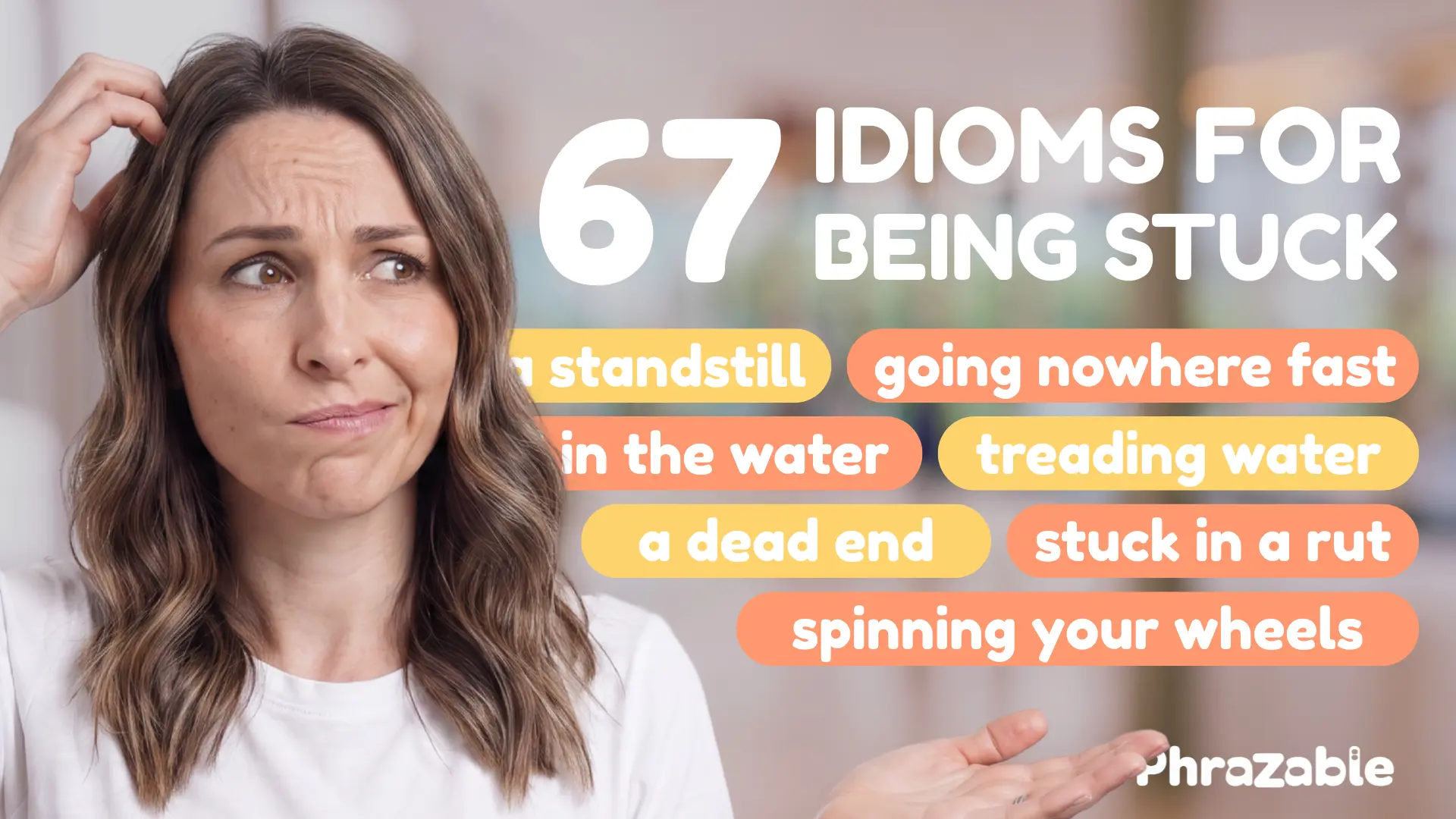
67 Idioms for Being Stuck in English (With Meanings & Examples)
Idioms for being stuck include stuck in a rut, in limbo, and a catch-22. Each names a different kind of...
Continue Reading →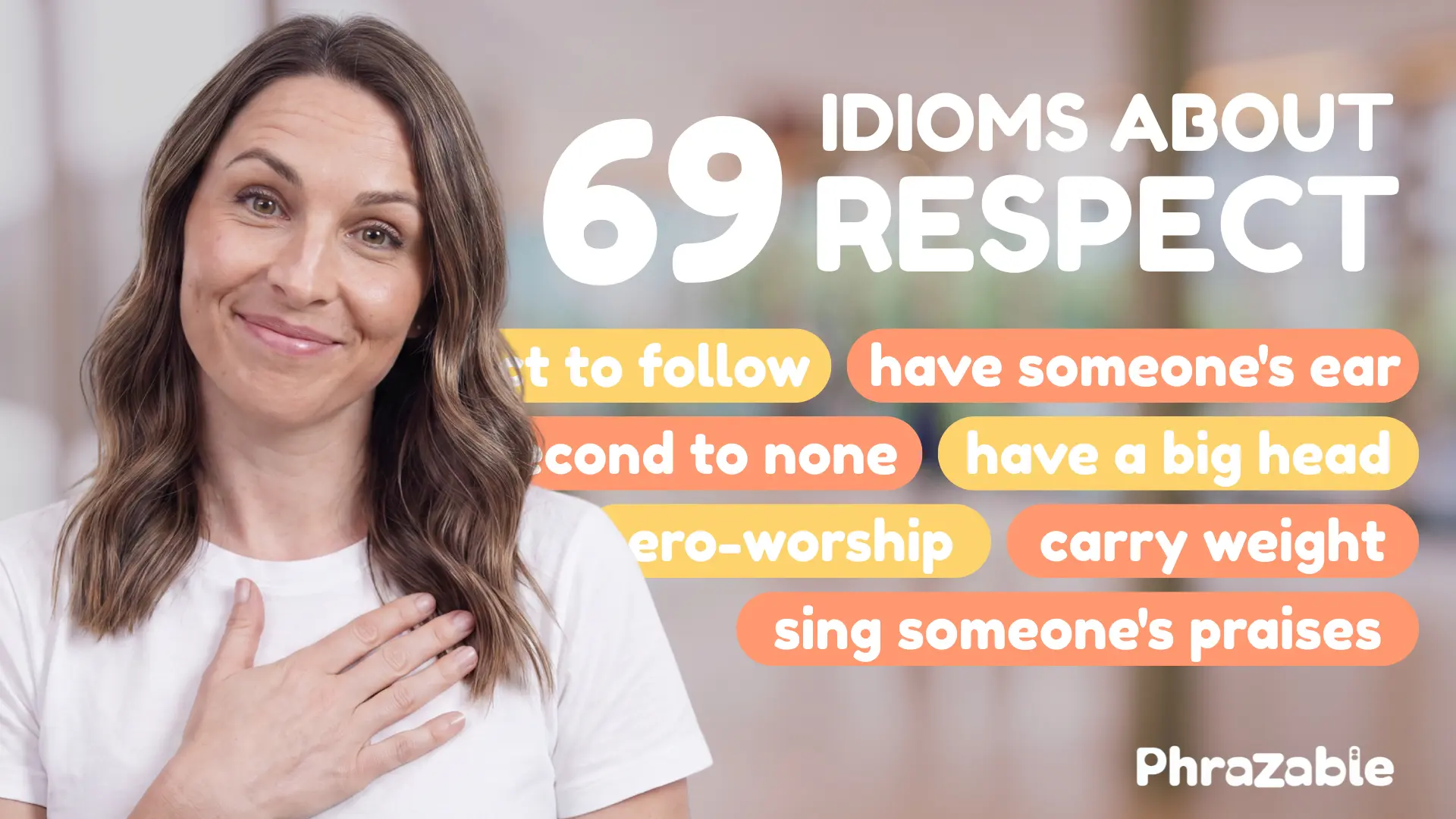
69 Idioms about Respect in English (With Meanings & Examples)
Idioms about respect include look up to someone, command respect, and hear someone out. In English, respect is shown by...
Continue Reading →62 Idioms about Regret in English (With Meanings & Examples)
Idioms about regret include kick yourself, miss the boat, and burn your bridges. Some name what you did, others what...
Continue Reading →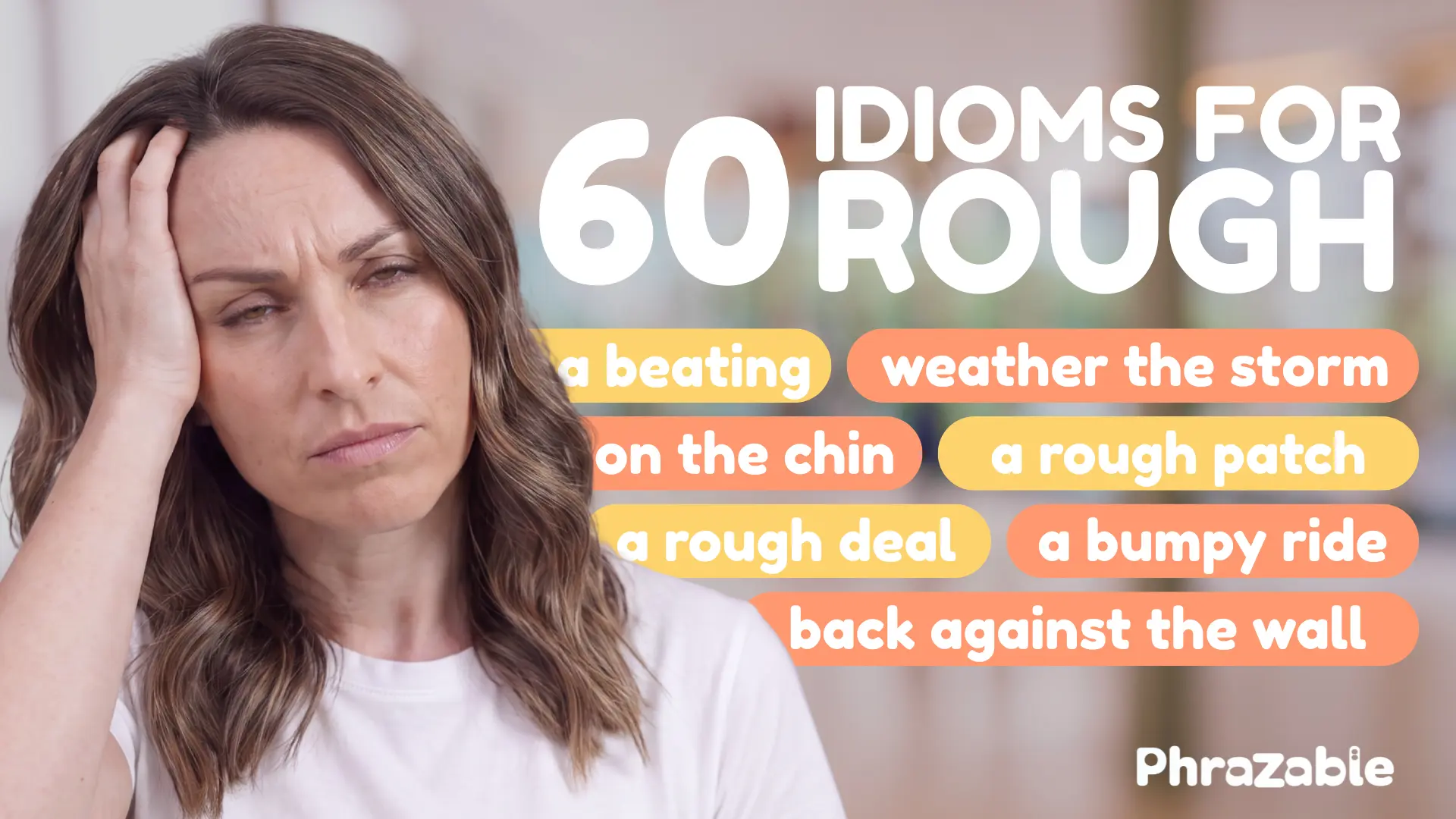
60 Idioms for Rough in English (With Meanings & Examples)
Idioms for rough include a rough patch, rough around the edges, and take the rough with the smooth. Here are...
Continue Reading →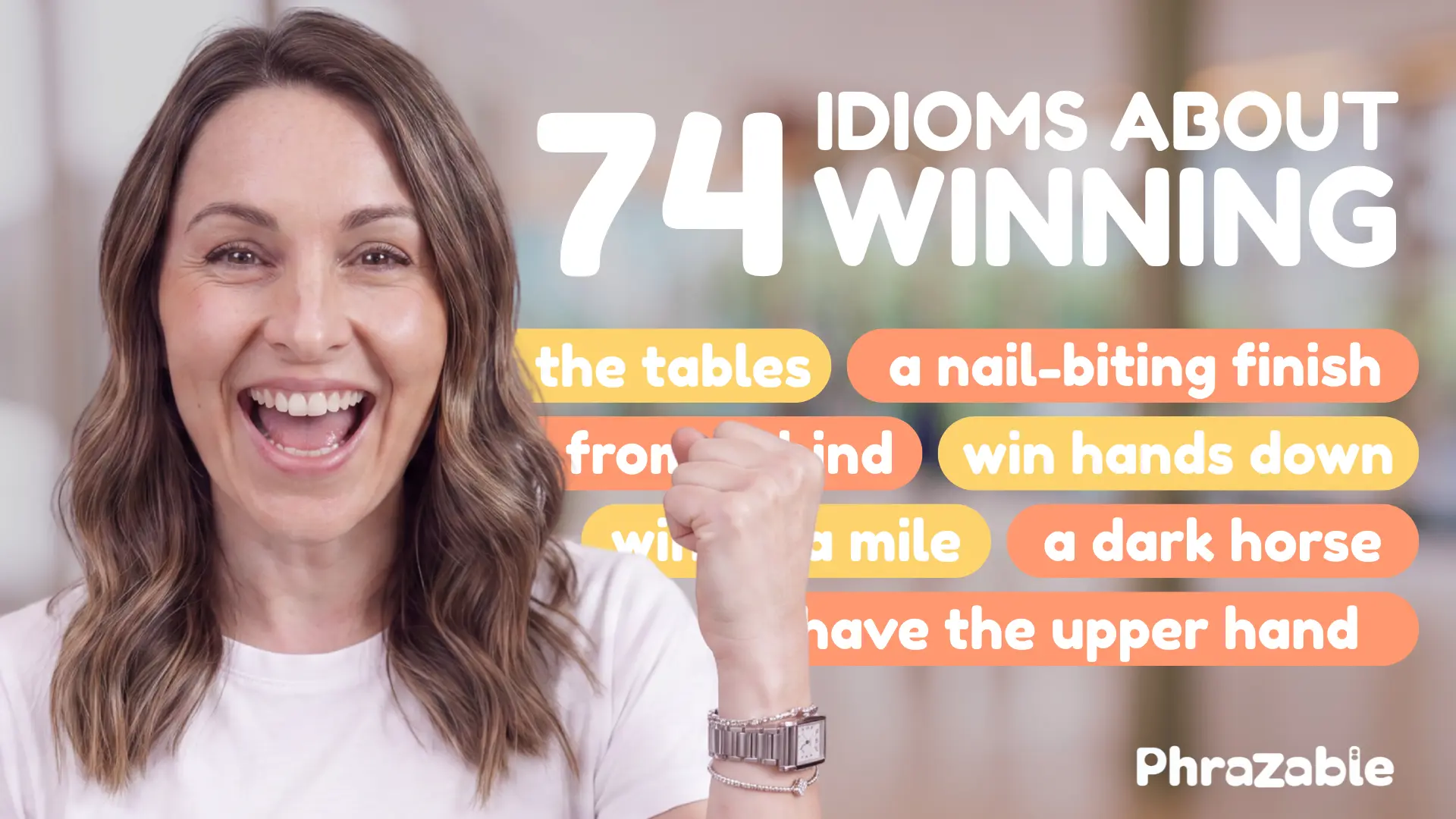
74 Idioms about Winning in English (With Meanings & Examples)
Idioms about winning include win hands down, come out on top, and in the bag. Some celebrate and some gloat....
Continue Reading →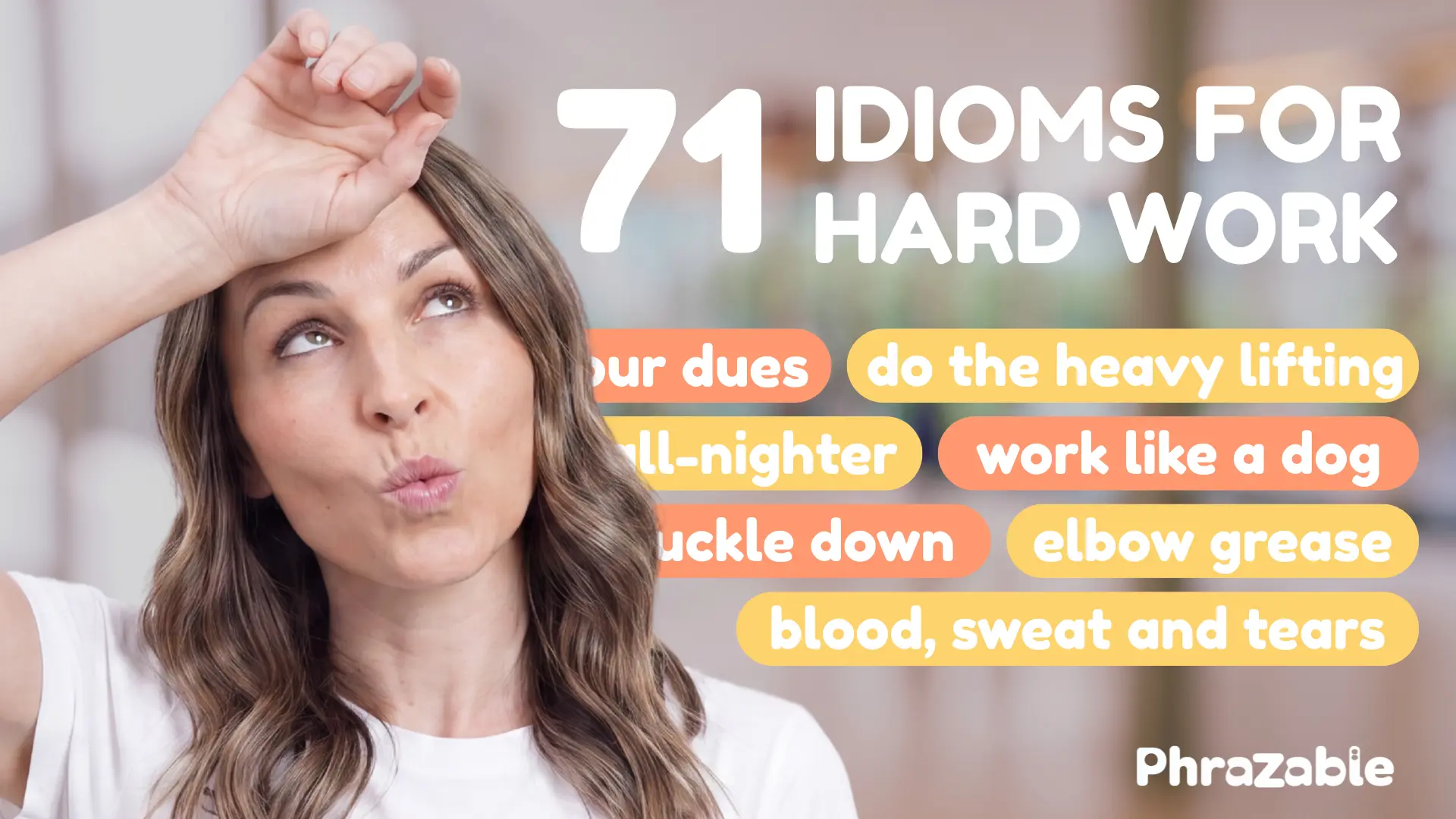
71 Idioms for Hard Work in English (With Meanings & Examples)
Popular idioms for hard work include burn the midnight oil, pull your weight, and go the extra mile. Here are...
Continue Reading →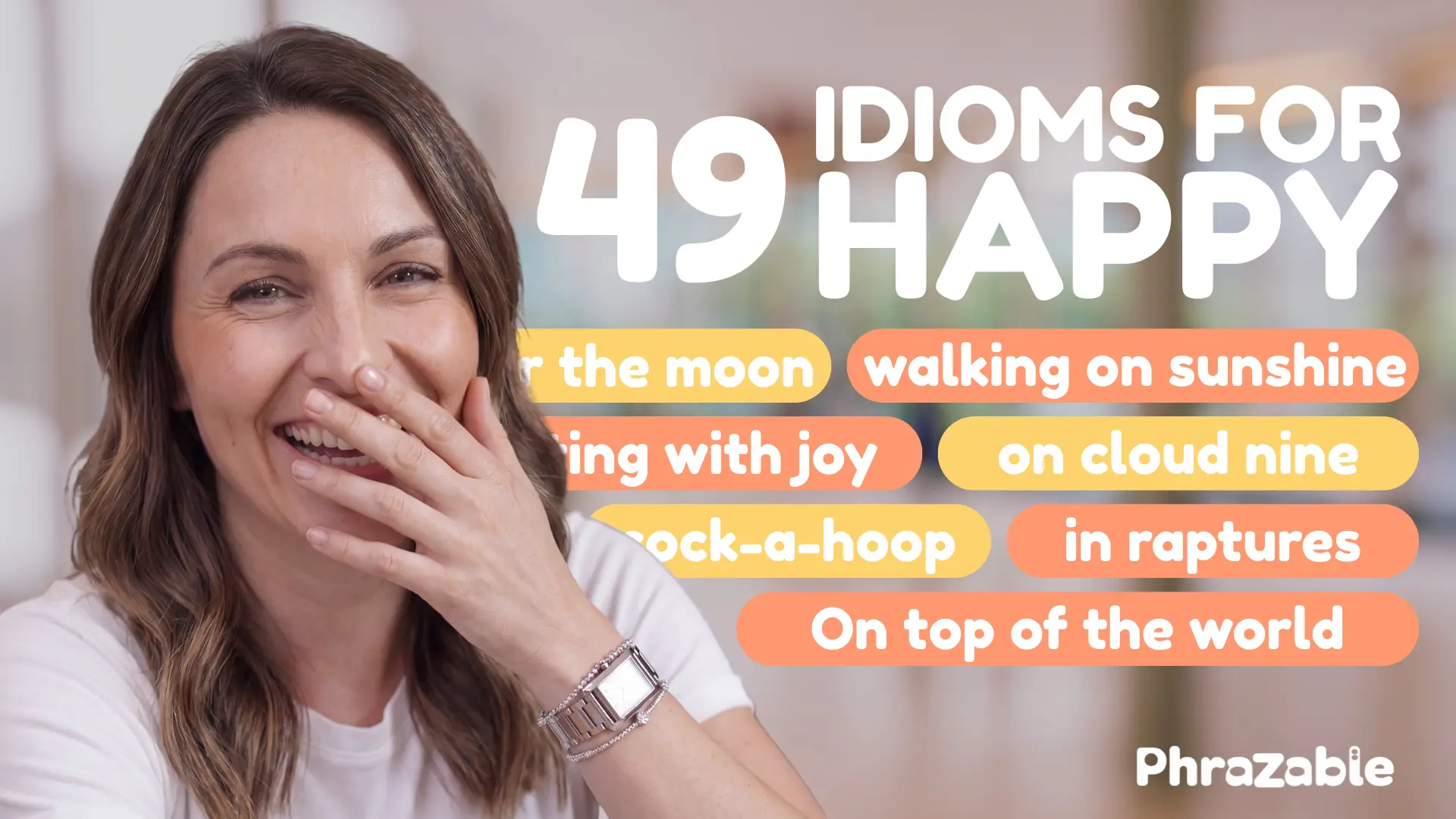
49 Idioms for Happy in English (With Meanings & Examples)
Popular idioms for happy include on cloud nine, over the moon, and in seventh heaven. Here are 49 English expressions...
Continue Reading →
199+ Cat Puns & Jokes That Are Paws-itively Hilarious
Get your daily dose of meow-mentum with 199+ cat puns and jokes that are paws-itively hilarious, clever, and irresistibly shareable.
Continue Reading →Subscribe to
Our Newsletter
Join a growing community of more than 1,000+ friendly readers.


Each week, I share actionable productivity tips, practical life advice, and highlights from my favourite books, directly to your inbox. It’s free to join, and always will be.
By submitting this form, you’ll be signed up to my free newsletter, which sometimes includes mentions of my books, apps and courses. You can opt-out at any time with no hard feelings 😉 Here’s our privacy policy if you like reading.
Each week, I share practical idioms, real-life example sentences, and simple tips to help you sound more like a native speaker. It’s free to join, and always will be.
By submitting this form, you’ll be signed up to my free newsletter, which sometimes includes mentions of my books, apps and courses. You can opt-out at any time with no hard feelings 😉 Here’s our privacy policy if you like reading.